Confessions of St. Augustine
Saint of Hippo Augustine
Public domain worldwide
16 chapters · 133 paragraphs
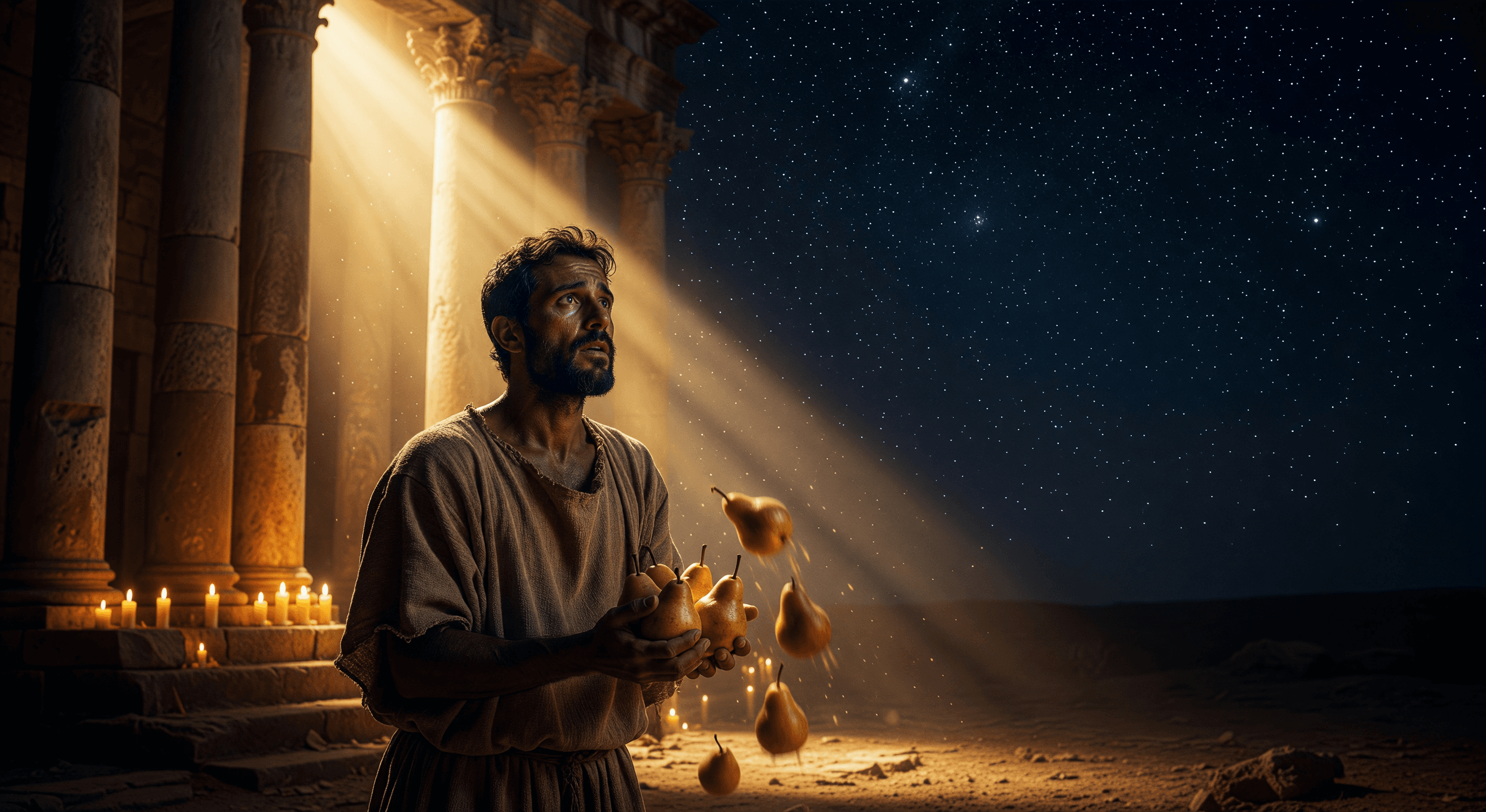
Late 4th-century North Africa and Italy during the late Roman Empire and early Christian period. The visual tone should alternate between sensual, worldly excess (Augustine's youth) and austere spiritual contemplation (his conversion), using warm Mediterranean and Roman architectural elements throughout.
Characters
Augustine
A North African man of middle years, bearded, with intense, thoughtful eyes reflecting spiritual struggle and intellectual depth. His clothing should reflect late Roman provincial style—simple tunics and robes befitting a scholar and eventually a bishop.
Monica (Augustine's mother)
A devout older woman, dignified and sorrowful, often depicted with a veil or head covering. Her face shows maternal concern and religious devotion, typically wearing modest Christian-era clothing.
Settings
Carthage
A bustling Roman provincial city with amphitheaters, markets, and sensual temptations. Warm Mediterranean light illuminates stone buildings, crowded streets filled with merchants and youth indulging in worldly pleasures.
Hippo Regius (Bishop's study/church)
A modest North African church interior with stone columns and Christian iconography, bathed in contemplative candlelight. The space feels austere yet sacred, reflecting monastic simplicity and spiritual introspection.
Milan
A northern Roman city with grand architecture, intellectual atmosphere, and gardens. Classical Roman grandeur mixed with Christian influence, depicting the intellectual and spiritual crossroads of Augustine's conversion.
Contents
- The Project Gutenberg eBook of Confessions of St. Augustine
- Confessions of St. Augustine
- INTRODUCTION
- CONFESSIONS OF ST. AUGUSTINE BOOK I
- BOOK II
- BOOK III
- BOOK IV
- BOOK V
- BOOK VI
- BOOK VII
- BOOK VIII
- BOOK IX
- BOOK X
- BOOK XI
- BOOK XII
- BOOK XIII